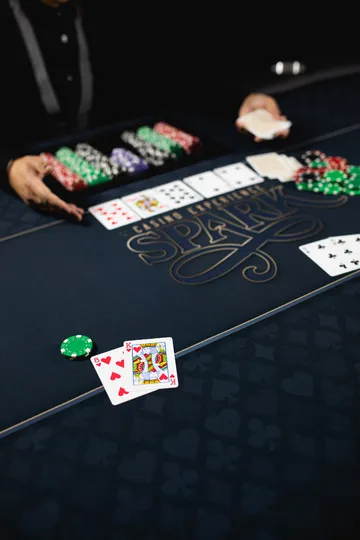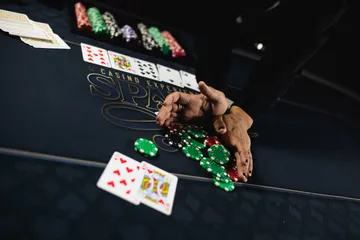

The short answer: the poker tables themselves raise nothing — chips have no cash value, so your fundraiser’s money comes from three places you control entirely: ticket sales, sponsor tiers, and a raffle run alongside the tournament. Table count sets your ceiling on tickets; sponsors and the raffle are where most committees actually make their number.
We deal Texas Hold’em tournaments for booster clubs, PTAs, and nonprofit boards across Sacramento, Roseville, Elk Grove, and Folsom, and “how much will this actually raise” is the question every committee asks before they’ve booked anything. We don’t structure your fundraising ask — that’s your board’s call, and wherever real money changes hands, your compliance counsel’s — but we’ve watched enough of these nights from the dealer’s side of the felt to know which levers move the number and which ones don’t.
Why the tables aren’t where the money comes from
Every table we run plays with chips that have no cash value — nothing is bought in at the felt, and nothing is paid out when the tournament ends. That’s what keeps a poker fundraiser entertainment instead of a wagering activity, and it’s also why thinking about the night as “the poker raises money” leads committees astray. The poker tournament is the draw that gets people to buy a ticket and stay in the room; the fundraising itself happens around it.
The three levers, and which ones scale
| Lever | What sets the ceiling | How it scales |
|---|---|---|
| Ticket sales | Table capacity — an Ante night seats ~9 players at one table, All In seats ~27 across three | Fixed once your room is sold out; raising price helps more than adding seats past capacity |
| Sponsor tiers | How many businesses your committee pitches, not table count | Scales independently of guest count — a presenting sponsor or three table sponsors can outraise the entire ticket gate |
| Raffle or silent auction | Donated inventory and how many tickets guests buy | Scales with effort, not room size — works for 25 guests or 60 |
Ticket sales are the lever every committee reaches for first, and it’s also the one with the lowest ceiling. An Ante-tier night — one table, up to 25 guests total — caps your ticket gate at 25 seats no matter what you charge per head. Our All In tier, three tables and roughly 27 players, raises that ceiling, but it’s still a ceiling: once the room is sold out, the only way to raise more off tickets is to raise the price, not the headcount.
Where committees actually make their number
Sponsorships and the raffle don’t share that ceiling, which is why the committees we see raise the most lean on both. A table sponsor, program sponsor, and presenting sponsor tier can bring in more from three or four local businesses than the entire ticket gate does, and it doesn’t cost a single extra seat. A raffle or silent auction run alongside the tournament — on its own tickets, its own prizes, kept entirely separate from the poker tables and chip counts — is the other lever that scales with effort rather than room size: a 25-guest Ante night and a 60-guest All In night can both run a raffle, and both can grow it year over year without touching the table plan at all.
What we’d tell any first-time committee is to budget for the flat fee and the venue costs out of ticket price, then treat sponsorships and the raffle as where the actual fundraising number comes from. A committee that prices tickets to just cover costs and hopes the tournament itself generates a surplus is set up to be disappointed; chips with no cash value can’t generate anything on their own.
What winners take home, and why it isn’t cash
Whatever a tournament winner takes home — a donated prize, gift card, or trophy your committee decides on ahead of time — comes from a separate budget line, not from chip counts or ticket money. Keeping the prize decided ahead of time and handed out for bragging rights, rather than tied to anything wagered at the table, is part of what keeps the tournament itself read as entertainment and the fundraising read as ticket sales, sponsorships, and a raffle.
Stacking services stretches the same budget further
A poker fundraiser usually isn’t standing alone — a photo booth for a sponsor-branded backdrop guests line up for, or bar service from our certified bartenders to keep guests in the room between the tournament and the ask, are the two most common add-ons. Book two or more Spark services together and the stacking discount applies — 20% off one add-on, 25% off each of two, 30% off each of three or more — which leaves more of a fixed fundraising budget free for sponsorship outreach or raffle inventory instead of vendor costs.
Building your own number
The honest version of this math is specific to your committee: your venue cost, your ticket price, how many local businesses you’re willing to pitch, and how much donated inventory you can line up for a raffle. We can tell you your table ceiling the moment you know your guest count; the sponsor and raffle side of the number is entirely yours to build.
Working out what your poker fundraiser could realistically raise? Check your date and tell us your expected guest count — we’ll confirm your table plan and flat fee so your committee can build the rest of the budget around a number that’s already locked in.
Frequently asked questions
Does Spark take a cut of what a poker fundraiser raises?
No. We're booked at a flat fee for the tables, dealers, and chips — the same way your committee would hire a DJ or a photo booth. Every dollar from ticket sales, sponsorships, and the raffle goes to your organization; none of it passes through us.
What's the single biggest lever for raising more at a poker fundraiser?
Sponsor tiers, not ticket price. A sold-out Ante night still caps out around 25 tickets, but a presenting sponsor or three table sponsors can add more to the night than a $10 ticket bump would, without asking more of your guest list.
Can we run blackjack or roulette alongside the poker tournament to raise more?
We'd steer you toward poker-only for a fundraiser. Chips-for-cash framing on other table games reads differently than a Hold'em tournament played for bragging rights, and keeping the night to poker is what keeps the fundraising side cleanly separate from the entertainment.
Should we price tickets to just cover Spark's cost, or build in margin?
Build in margin — ticket price should cover the venue, catering, and our flat fee, then add a cushion on top as pure fundraising. Committees that price tickets at exactly their costs end up relying entirely on sponsors and the raffle to raise anything at all.