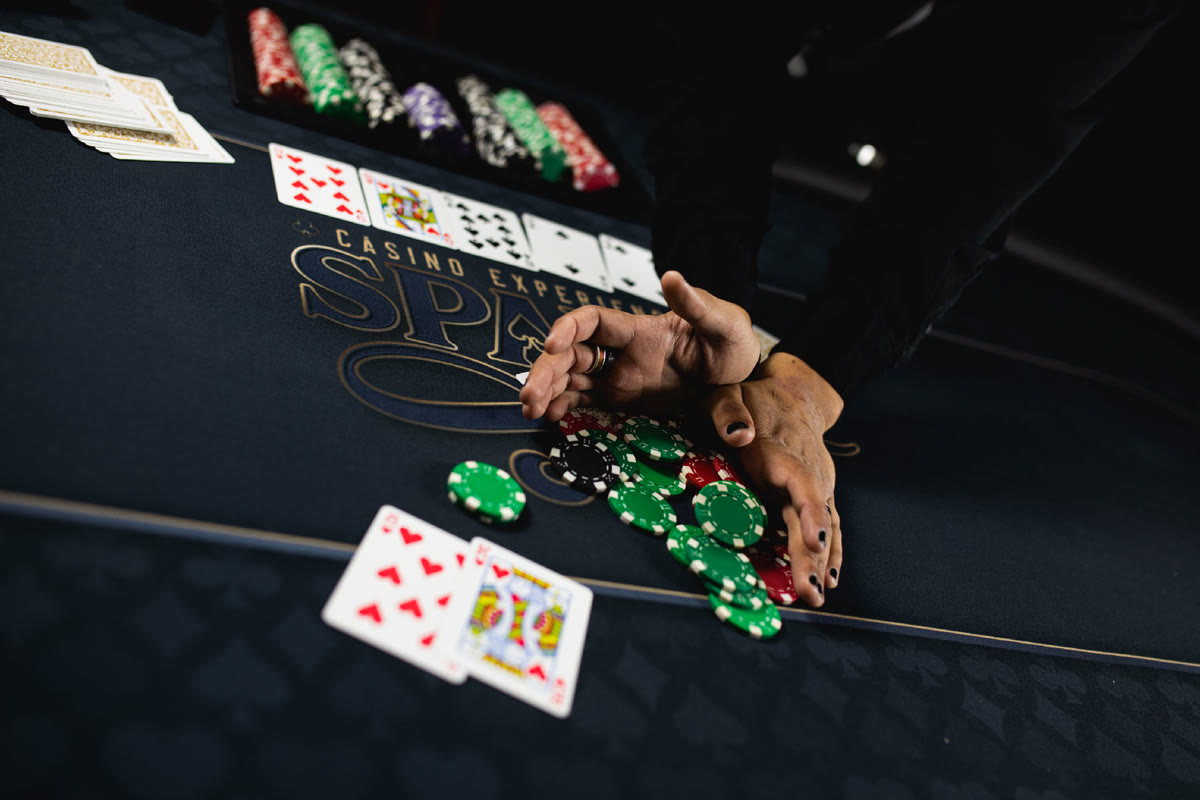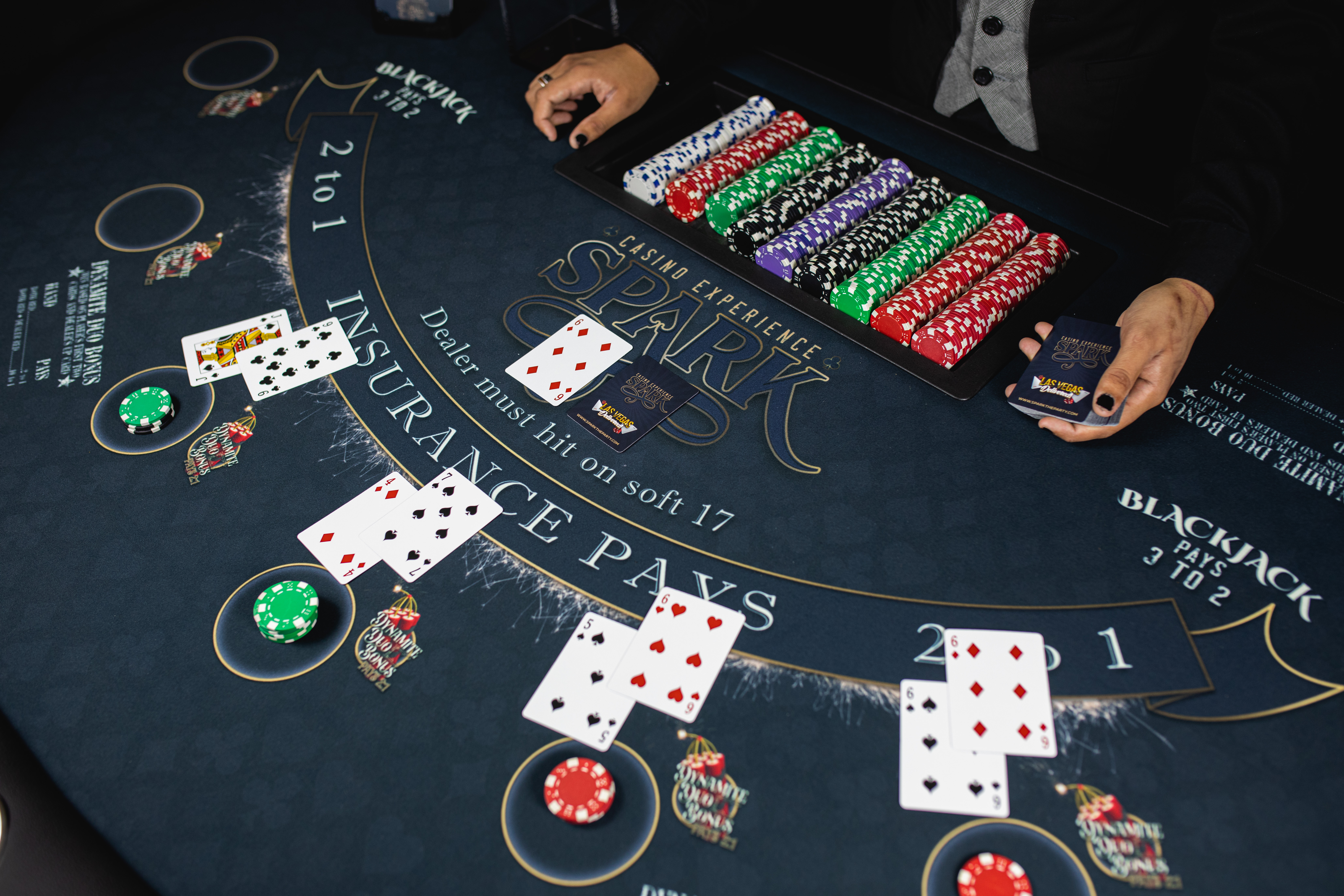
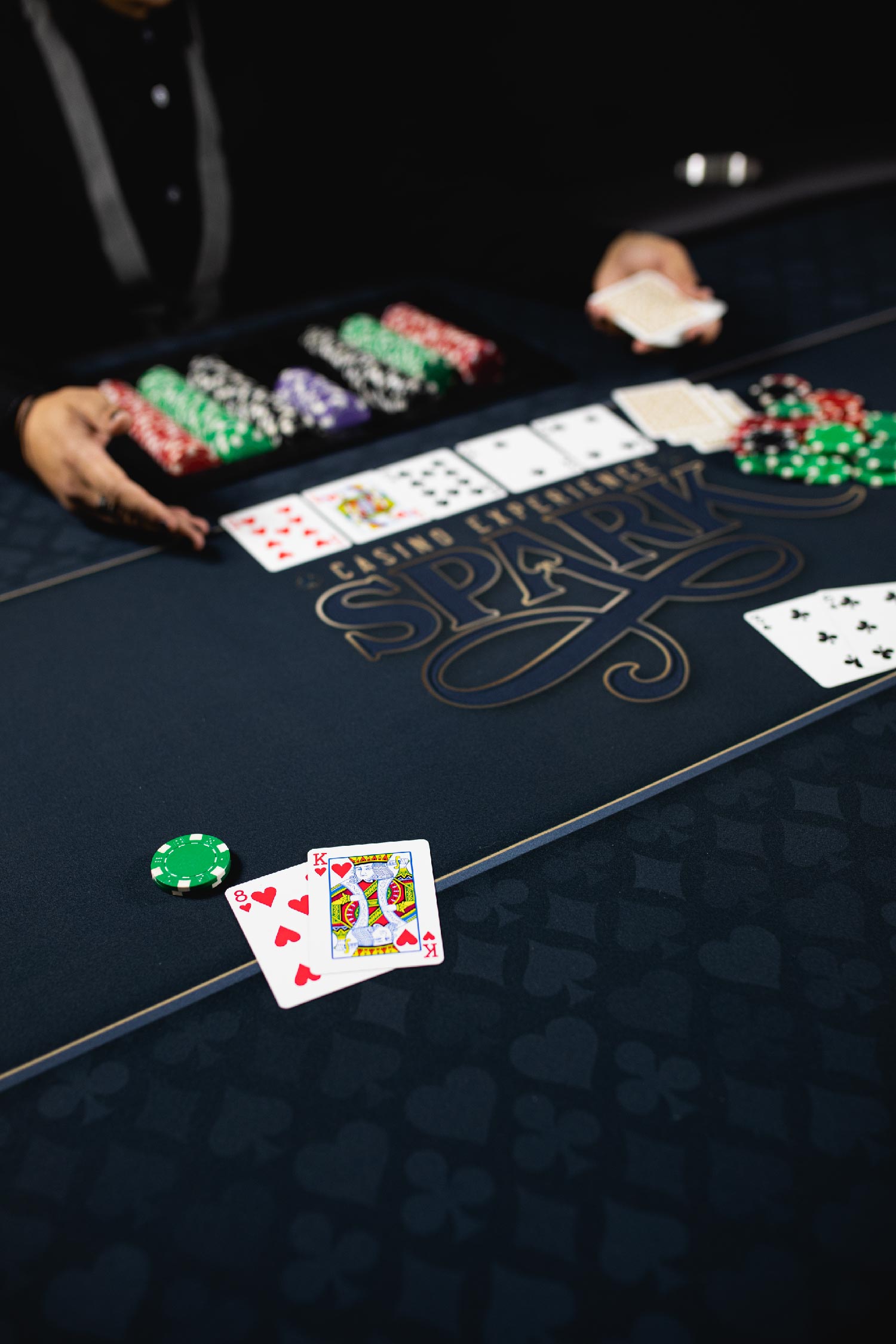
The short answer: a poker tournament fundraiser turns donations into entries. Guests donate to enter, receive a starting chip stack, and play a professionally dealt Texas Hold’em tournament; busted players re-enter as an additional donation, and the final table plays for prizes your sponsors donate. Well-run tournaments regularly out-raise traditional galas because guests stay engaged — and giving — until the last hand.
We run these for schools, booster clubs, churches, PTAs, and nonprofits across Sacramento and the Bay Area, in gym floors, parish halls, and country clubs. Here’s the playbook we hand every organizing committee.
Why the tournament format raises more
A gala peaks at the paddle raise and fades. A poker tournament has a story arc — entries, eliminations, a bubble, a final table, a champion — that holds the room for three hours. Every stage has a giving mechanism attached:
| Revenue stream | How it works | Typical share |
|---|---|---|
| Entries | Donation = seat + starting stack | 40–50% |
| Re-entries | Busted? Re-enter as a new donation | 15–25% |
| Sponsorships | Table sponsors, prize donors, final-table naming | 25–35% |
| Side events | Raffle, silent auction, photo booth strip sales | 10–15% |
The numbers that matter
- Nine players per dealt table. A 45-player field is five tables; 90 players is ten.
- Entry pricing: $50–$150 works for most donor bases; price re-entries at about half of entry.
- Tournament length: about three hours from shuffle to champion with escalating blinds — the same three-hour window as any of our casino packages.
- Chairs: poker plays seated — about ten per table.
- Timeline: open doors with food and the silent auction, shuffle up an hour in, and schedule the raffle drawing for right after the tournament bubble — that’s when eliminated players need something to do.
What your committee handles vs. what we handle
You: the cause, entry pricing, sponsors, prizes, and selling seats. Us: the tables, professional dealers who teach newcomers in two minutes, tournament structure and blinds, the chip logistics, and a floor manager who keeps the whole room moving. We’ll also help you plan the entry economics — we’ve seen what works across dozens of these events.
Keeping eliminated players in the room
The tournament’s one weakness: busted players with nothing to do drift home — and stop giving. Fix it with:
- Re-entry windows for the first half of the tournament (each re-entry is a fresh donation)
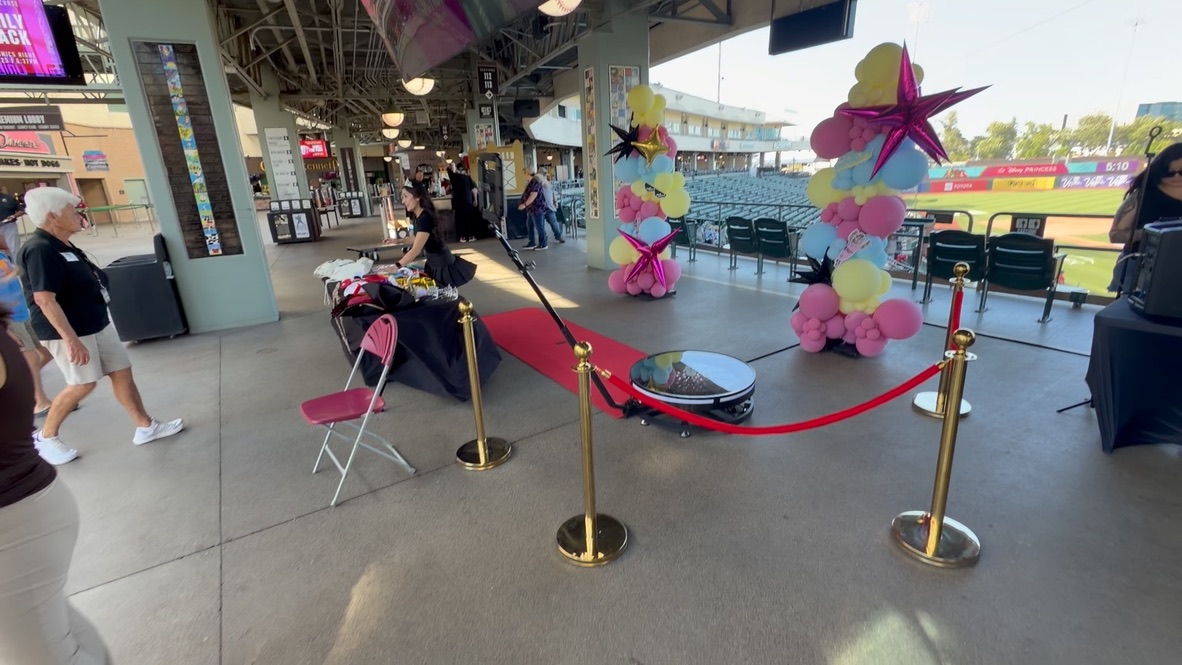
- A photo booth — sponsor-branded strips double as a keepsake and an ad
- The raffle + auction close timed to the bubble
- A mobile bar — service, not self-serve, keeps it classy
Getting started
Bring us your headcount goal and date, and we’ll spec the table count, dealer crew, and a tournament structure that fits your evening — start with a free quote or read more on our fundraiser page. December and spring gala season book early; give your committee eight weeks of runway.
Frequently asked questions
How does a poker tournament fundraiser work?
Guests enter with a donation and receive a seat and a starting stack of tournament chips. Everyone plays a dealt Texas Hold'em tournament; as players bust out, re-entries (as additional donations) keep them in the room and giving. The final table plays for sponsor-donated prizes.
How much should we charge for entry?
Most organizations price entry between $50 and $150 depending on their donor base, with re-entries at roughly half the entry price. Sponsorships — table sponsors, final-table sponsors, prize donors — usually raise as much as entries do.
How many poker tables do we need?
Nine players per dealt table. A 45-player tournament runs on five tables; as players bust out, tables consolidate. Plan seating (poker plays seated) — about ten chairs per table.
Why poker instead of a full casino night for a fundraiser?
Poker tournaments are the proven, reliable format for charitable events — a structured tournament with donated prizes, clear entry donations, and a natural arc that keeps guests engaged (and giving) until a final table crowns a winner.